Manny's Band Practice
What is Manny’s Band Practice?
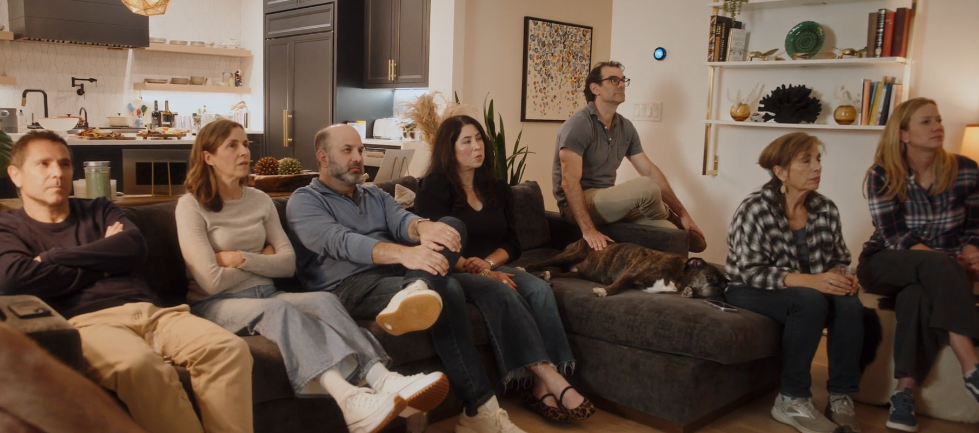
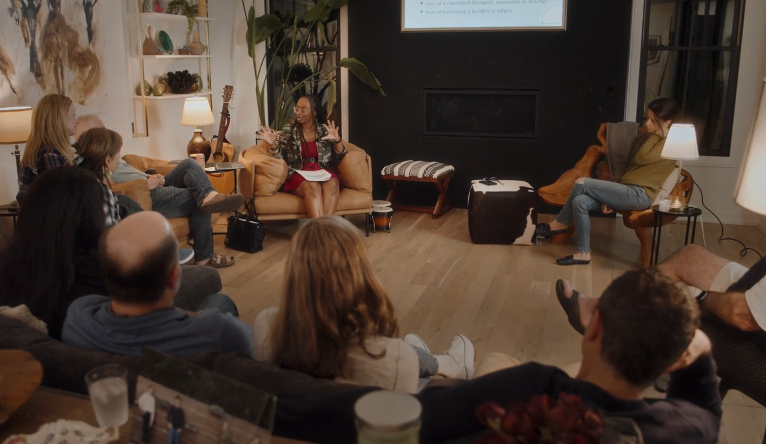
Manny’s Band Practice® is a two-hour, small-group gathering of 8–12 friends in a host’s home — a living room, garage, or basement — led by a certified QPR suicide-prevention trainer.
What does it cost?
Thanks to our generous Donors, Manny’s Band Practice® is offered at NO COST to hosts or attendees. No financial solicitations or asks are made at Manny’s Band Practice® so that everyone’s attention can be fully on the education, practice and mission.
What Does it Accomplish?
Participants:
- Gain practical skills and confidence — learning what signs to look for, what to do, and where to go to help prevent suicide.
- Practice difficult conversations — talking openly about topics they’ve likely never discussed before.
When a group of friends goes through “practice” together, they build a shared language and experience. Breaking the silence and normalizing previously taboo conversations erodes stigma and strengthens their ability to support each other long after the session ends.
The Science and Substance
The foundation of Manny’s Band Practice® is QPR (Question, Persuade, Refer) — a suicide-prevention training created in 1995 by psychologist Paul Quinnett with Spokane Mental Health. QPR is the most widely taught suicide-prevention gatekeeper program in the world, with more than 8 million people trained to date.
What Makes it Unique
Manny’s Band puts a unique “cover” on the QPR “song”:
- Training happens in a host’s home, with an existing circle of friends and equips participants to speak freely, making it easier for the group to keep talking about suicide and mental health after the session.
- Unlike large institutional trainings, this approach activates intimate real world social networks and empowers them to carry the conversation forward among that circle.
Replication
Each Manny’s Band Practice ends with an ask for two participants to play it forward and host the next practice session – and so on – exponentially growing the number of skilled and practiced trusted adults and friends until a tipping point is reached within a community – eradicating the stigma and changing the dialogue regarding suicide and mental health within a community.